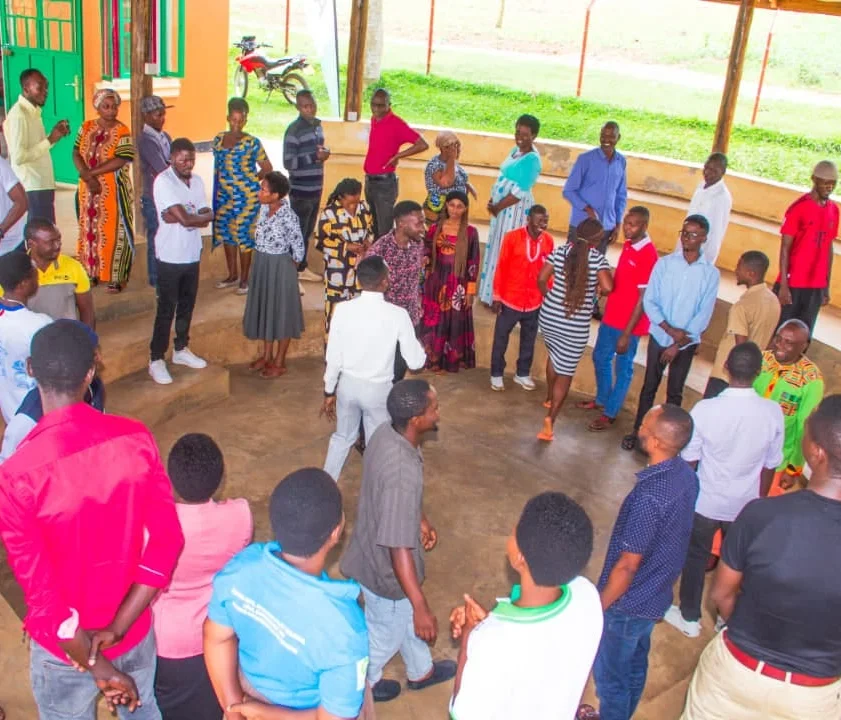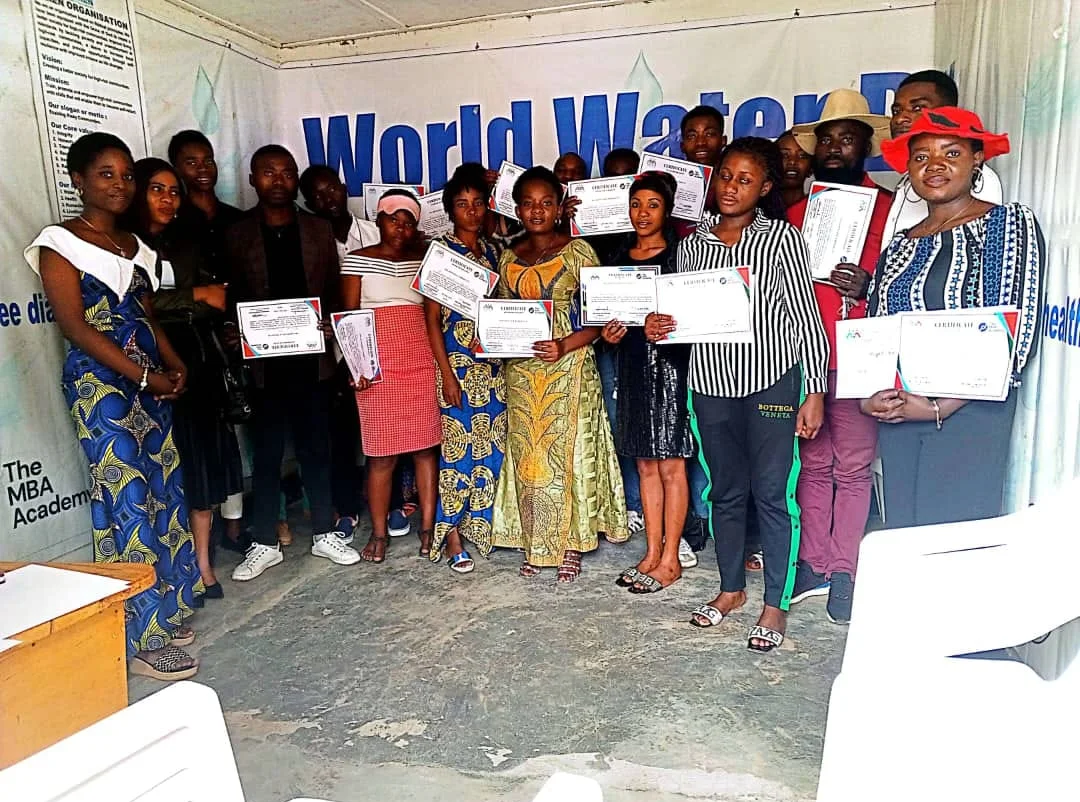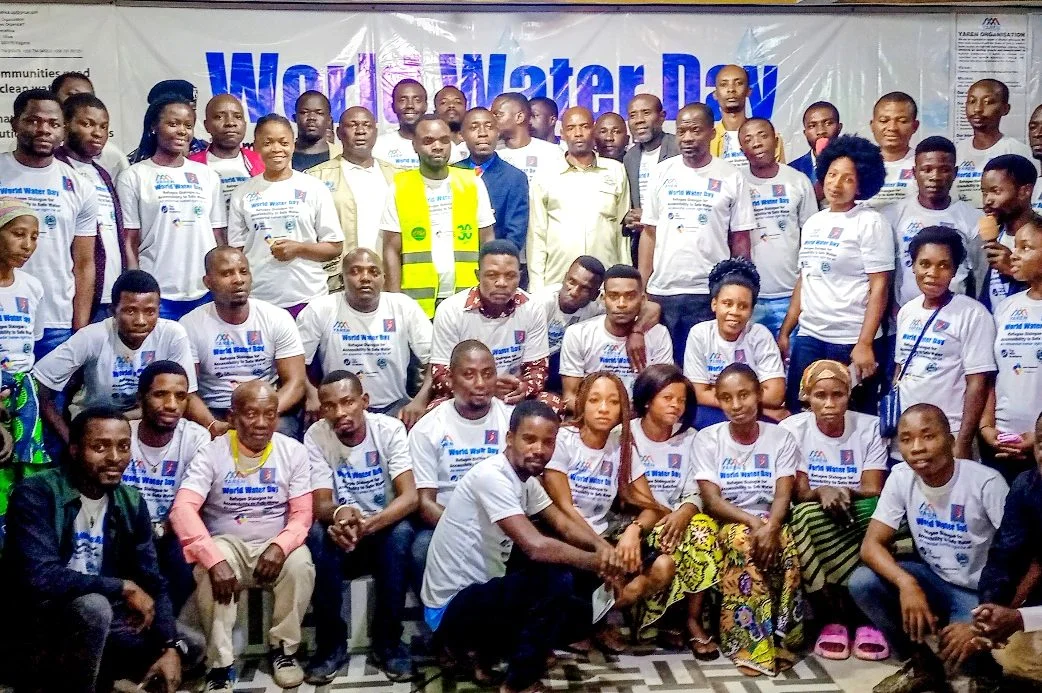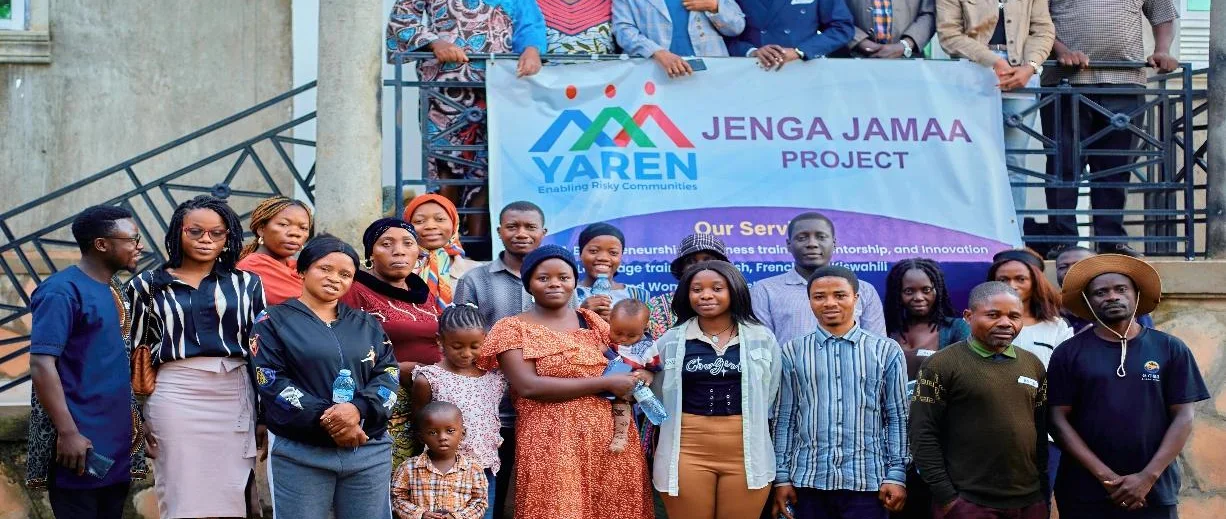
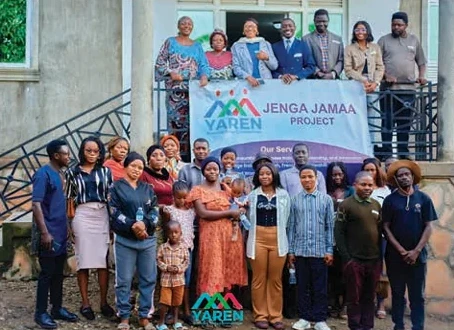
On 16 April 2026, twenty-eight people sat down together at the Ziranumbu Hub in Kampala. Twenty had come to Uganda as refugees from the DRC, Sudan, Burundi, Ethiopia and South Sudan. Eight were their Ugandan neighbours from Makindye Ssabagabo. By the end of the day, all of them had trained as mental health first responders for their communities.
This was Phase 1 of MHALI, the Mental Health Awareness & Leadership Initiative, and the first formal mental health event of Jenga Jamaa, YAREN's three-year programme for 2026 to 2028. It gave YAREN its strongest evidence yet, and an answer nobody in the room expected.
01A new home
Less than a month after the doors opened
For almost a decade, YAREN worked without a permanent base, running its programmes wherever it could find space. That changed on 23 March 2026, when the Ziranumbu Hub opened in Makindye Ssabagabo: a fixed home for training, for mental health work and for the YAREN FUNDI enterprise.
MHALI was one of the first things YAREN did with it. Many refugees have lived through war, loss and long journeys, and those experiences stay with people. Yet support is often far away, or carries a stigma that keeps people from asking. MHALI starts close to home, by training neighbours to help neighbours.
- participants
- 28
- refugees
- 20
- from the Ugandan host community
- 8
- nations in one room
- 6
- DR Congo
- Sudan
- Burundi
- Ethiopia
- South Sudan
- Uganda
02The training
Look, Listen, Link
The day was led by Dr Simon Peter Opinyo and built on the World Health Organization's psychological first aid framework. It is not therapy. It is what anyone can do in the first hours and days after someone has been through something terrible: stay calm, keep them safe, and help them find the next step.
Look
Notice who is in distress, what they need, and whether they are safe.
Listen
Be calm and present. Let people speak if they want to, without pushing them.
Link
Connect people to practical help, information, loved ones and services.
03Listening to the room
The community named its own priority
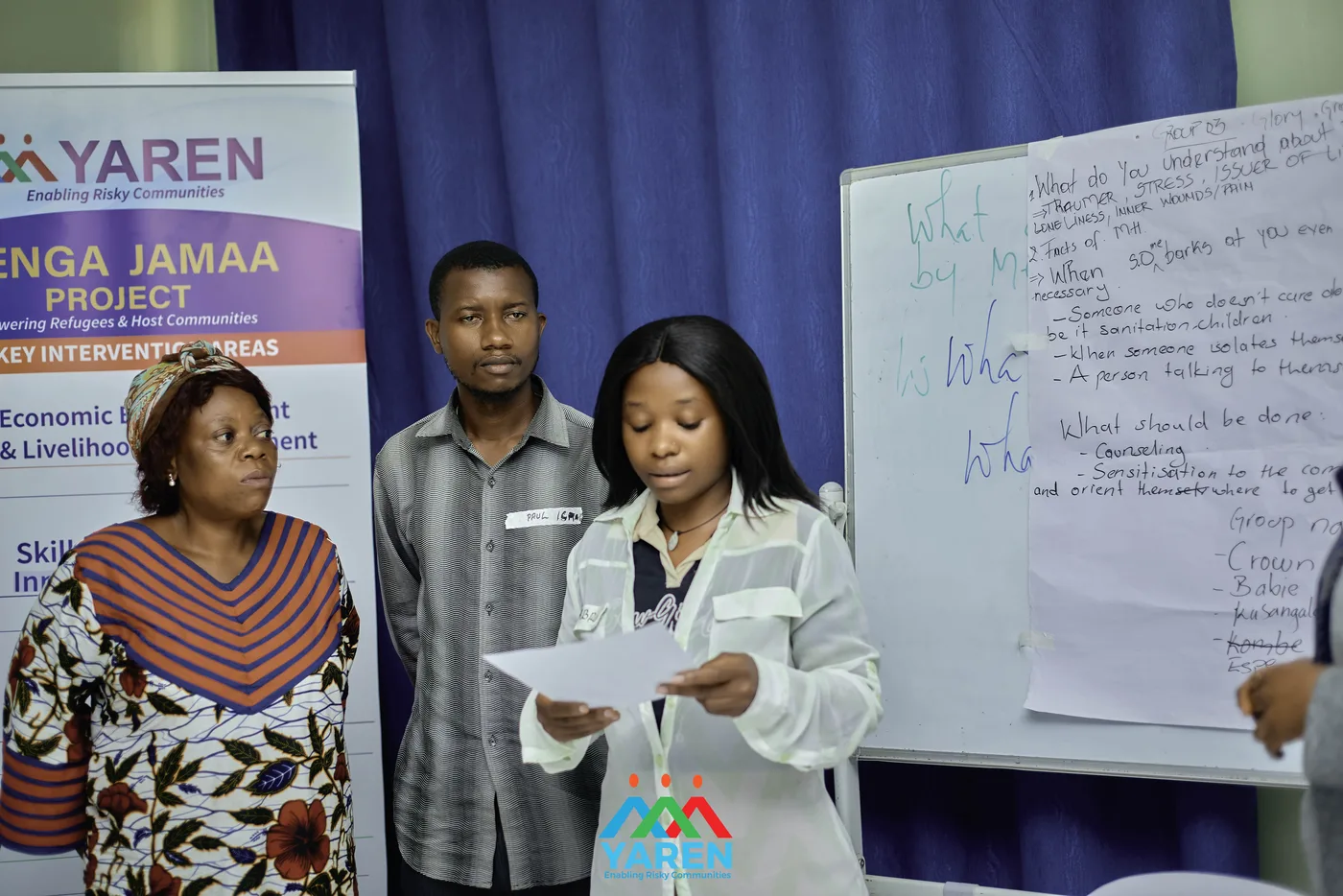
Later in the day, participants split into three breakout groups. Each group mapped the stresses weighing on their communities, then presented what they had found to everyone else.
The groups worked separately. They did not compare notes. And yet all three reached the same answer.
What every group found
Matrimonial and family trauma is the most critical, least supported gap in mental health care for refugees in Uganda.
It was not in the original plan. Programmes are usually designed first and then taken to communities. Here, the community told YAREN where the need is greatest. MHALI Phase 2 will now be built around it, with a dedicated matrimonial and family counselling track.
04Neighbours, not strangers
Healing and peace are the same work
MHALI did something on purpose: refugee and host-community participants were paired to work together. Neighbours from different communities worked through the same exercises and listened to each other's stories.
YAREN's team recorded a clear shift in attitudes by the end of the day. The lesson for YAREN is simple. Bringing refugees and hosts together is not a separate peacebuilding activity. It is part of mental health care.
05 · Launch before you feel ready
Two days later, Nairobi
MHALI Phase 1 took place just two days before YAREN's Founder and Executive Director left for Nairobi to join the ninth cohort of the Africa CDC Mental Health Leadership Programme. Waiting would have been easier. Holding it anyway produced YAREN's most powerful evidence yet.
Lessons from Nairobi now feed straight back into MHALI Phase 2 and into the mental health support being built into Jenga Jamaa.
06What comes next
Phase 2: care for families
MHALI Phase 2 is one of YAREN's top priorities for the second half of 2026. It will open with a dedicated matrimonial and family counselling track, so that the need the community named becomes the centre of the work.